Sleep Apnea Treatment Altavista
Stop Snoring & Sleep Easier with a Custom Sleep Apnea Appliance
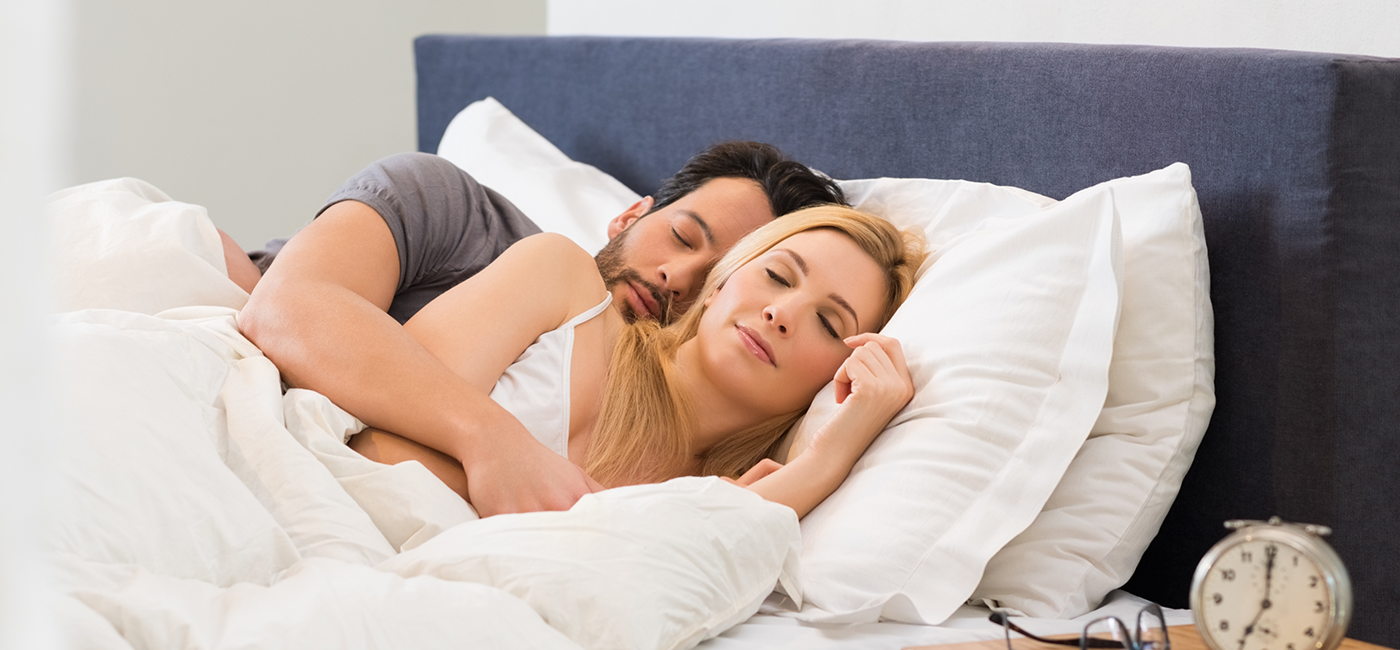
Do you constantly wake your partner out of deep sleep with your loud, chronic snoring? Your snoring may not be the only symptom of a bigger underlying issue. Obstructive sleep apnea is shown to not only have dire impacts on overall health – poor quality of sleep can also lead to a number of life-altering effects, including mood changes, chronic fatigue, and more. If you have a sleep apnea diagnosis and are looking for an alternative to a CPAP machine, give our dental office a call today to discuss your options for sleep apnea treatment in Altavista!
Why Choose Hooks Family Dentistry for Sleep Apnea Treatment?
- Effective & Comfortable Alternative to CPAP Treatment
- Knowledgeable, Kind & Experience Team of Dentists
- We Accept & Maximize Dental Insurance Benefits
What Is Sleep Apnea?
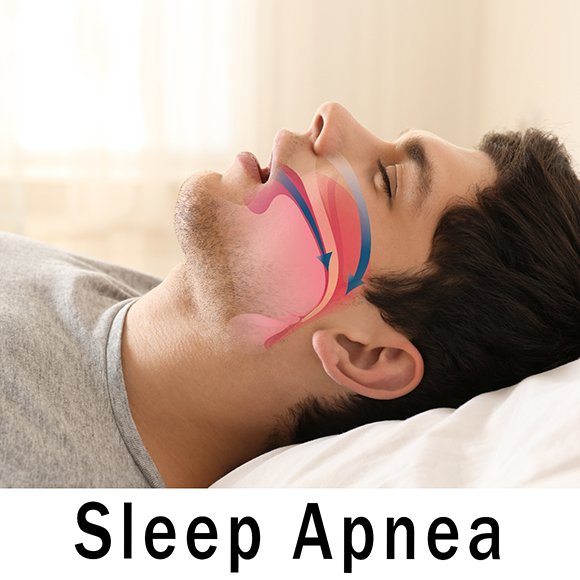
At Hooks Family Dentistry, we treat a type of sleep apnea called obstructive sleep apnea, which is caused by the obstruction of the airway. As you rest, the blockage can limit the amount of oxygen you take in as you sleep, causing you to wake up gasping for air, snoring, and preventing you from achieving deep, rehabilitating sleep that’s necessary for your body.
How We Treat Sleep Apnea
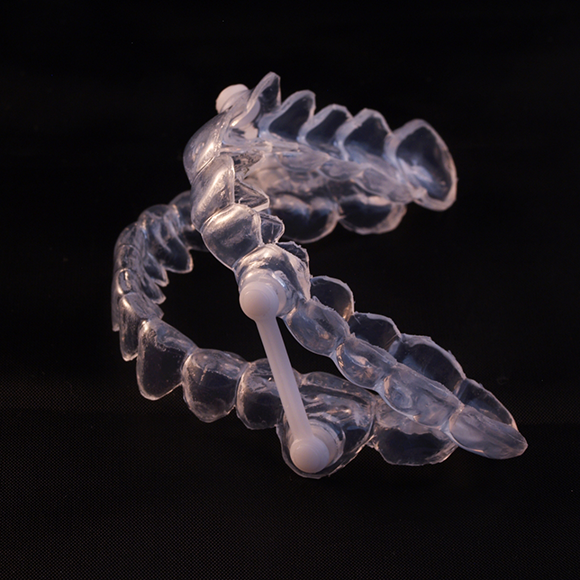
We offer an alternative to CPAP treatment, which is often the first step of treating sleep apnea following a diagnosis. However, the humming of a machine and need to put a mask over the face is enough to keep patients from achieving the restful sleep they deserve. That’s why our team offers sleep apnea oral appliances. These are custom fitted to be easily worn as you rest, holding your airway open to ensure you receive ample oxygen flow.
Understanding the Cost of Sleep Apnea Treatment

Sleep apnea takes a toll on your quality of life and can lead to various consequences. That’s why it is so crucial that you seek a diagnosis and get the treatment that you need to achieve high-quality rest. However, many patients avoid getting treatment because they are worried about the cost. During your consultation with us, we will discuss the financial aspects of your treatment in detail. Until then, here are some things to take into consideration.
Does Dental Insurance Cover the Cost of Sleep Apnea Treatment?

Dental insurance doesn’t cover the cost of sleep apnea treatment. This is because dental insurance companies don’t consider the diagnosing and treatment of sleep apnea to be under the umbrella of dentistry. If you have questions regarding your insurance plan and what it covers, one of our friendly team members would be happy to assist you.
Factors That Affect the Cost of Sleep Apnea Treatment
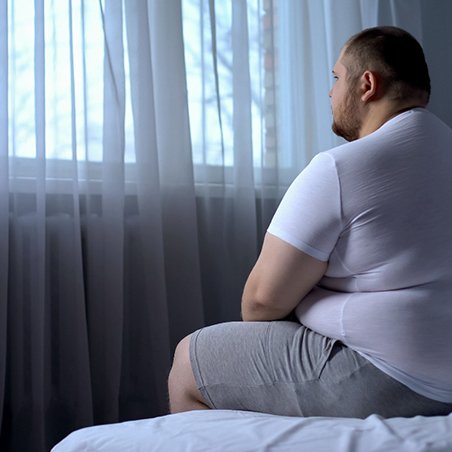
There are two main factors that contribute to the cost of sleep apnea treatment: severity and treatment types. If you have a mild case of sleep apnea, you may be able to experience relief through lifestyle adjustments and not require any advanced treatment. If you have mild to moderate sleep apnea, oral appliance therapy is likely an ideal option. For severe sleep apnea, you might need more advanced treatment methods, which can cost more. Oral appliance therapy is generally more cost effective than other treatment options, like CPAP therapy.
Treat Your Sleep Apnea Now to Improve Your Health
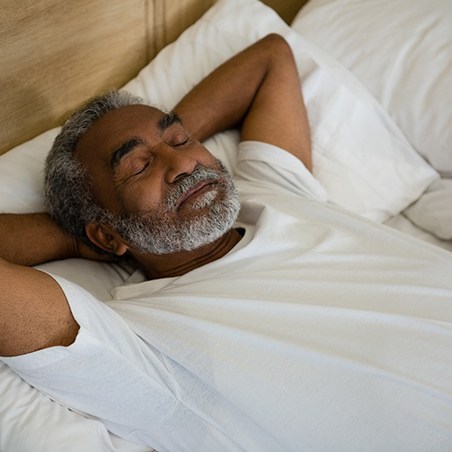
Many patients contemplate whether it is worthwhile to seek a sleep apnea diagnosis and treatment. Whether or not you have health insurance that covers treatment, you can be confident that seeking treatment is in your best interest. It can easily benefit your health and reduce your long-term expenses. Sleep apnea increases health risks, including some that are serious and life-threatening, like stroke, heart disease, diabetes, hypertension, depression, weight gain, and more. These issues eventually result in high medial bills and a lower quality of life.
Making Sleep Apnea Treatment More Affordable

If you don’t have insurance, this doesn’t mean that you are completely out of luck. We are happy to accept payments through CareCredit – a third-party financing company that can split the cost of your treatment into manageable monthly installments with little to no interest. If you have any questions or need help applying, don’t hesitate to give us a call.
Sleep Apnea FAQs
Does Snoring Mean I Have Sleep Apnea?
While snoring can be a sign of sleep apnea, it does not automatically mean someone has the condition. The only way to know for sure if you have sleep apnea is to receive a sleep test from a qualified sleep specialist. Roughly 20 million people in the United States have sleep apnea, and the team at Hooks Family Dentistry will be happy to help you find a solution that allows you to rest soundly and comfortably if you receive a positive diagnosis.
How Long Do Sleep Apnea Episodes Last?
A sleep apnea episode can last between ten seconds and two minutes, and this may occur five to thirty times per hour of sleep. In severe cases, sleep apnea can cause a patient to wake up more than a hundred times in a single night. The best way to understand the severity of your sleep apnea is to receive a sleep test from a qualified sleep specialist. Their findings will allow us to determine how many episodes you have a night as well as how long they last.
Can the Team at Hooks Family Dentistry Diagnose Sleep Apnea?
Since only a qualified sleep doctor can diagnose sleep apnea, our staff cannot authoritatively determine whether you have the condition or not. However, we can perform a screening to detect concerning symptoms and refer you to a trusted specialist if necessary. Once we understand your diagnosis, we’ll be able to determine an appropriate way to treat the problem such as oral appliance therapy.
Are There Any Home Remedies for Sleep Apnea?
There are several methods that may help you reduce or possibly eliminate your sleep apnea symptoms that you can employ at home. These include:
- Sleeping with your head in an elevated position: Propping up your head with pillows or cushions or sleeping in a recliner can allow gravity to pull the tissues in your neck away from your airway, which can help you breathe easily while resting.
- Essential oils: While this is not scientifically verified, many people report that the scents released by oils derived from herbs such as lavender help them sleep better.
- Regular exercise: A proper exercise regimen will teach your cardiovascular system to run more efficiently, which can help you breathe easier in your sleep.
- Avoiding bright lights before bed: The blue lights released by television, smartphone, and computer monitor screens can trick your brain into wanting to stay awake, so it may be best to avoid these in the hours before bed.
- Kick tobacco: Smoking causes inflammation of the airway as well as a host of other breathing problems that can make it difficult to get enough air when you sleep.